• Skip to primary navigation
  • Skip to main content
  • Skip to primary sidebar
  • Skip to footer
  • Subscribe
  • Advertise

Power Electronic Tips

Power Electronic News, Editorial, Video and Resources

  • Products
    • Power Supplies
    • AC-DC
    • DC-DC
    • Battery Management
    • Capacitors
    • Magnetics
    • MOSFETS
    • Power Management
    • RF Power
    • Resistors
    • Transformers
    • Transistors
  • Applications
    • 5G
    • AI
    • Automotive
    • EV Engineering
    • LED Lighting
    • Industrial
    • IoT
    • Wireless
  • Learn
    • eBooks / Tech Tips
    • EE Training Days
    • FAQ
    • Learning Center
    • Tech Toolboxes
    • Webinars & Digital Events
  • Resources
    • Design Guide Library
    • Digital Issues
    • Engineering Diversity & Inclusion
    • LEAP Awards
    • Podcasts
    • White Papers
  • Video
    • EE Videos & Interviews
    • Teardown Videos
  • EE Forums
    • EDABoard.com
    • Electro-Tech-Online.com
  • Engineeering Training Days
  • Newsetter Subscription

Magnetic shielding line now includes sheets with high permeability for NFC applications

May 16, 2023 By Redding Traiger Leave a Comment

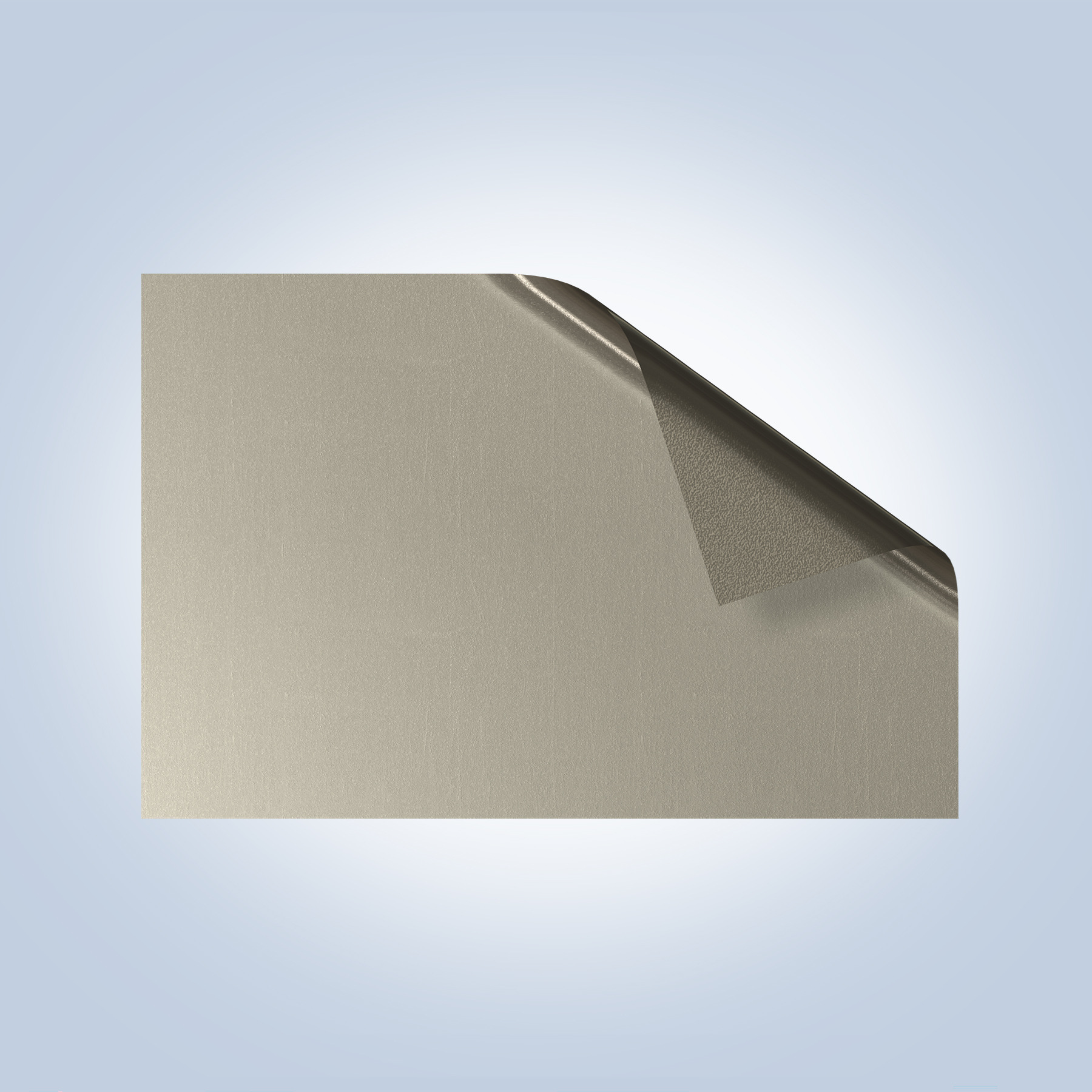
TDK Corporation extends its Flexield family of magnetic shielding materials with the introduction of the IFQ06, offering high permeability (μ’) and low magnetic loss (μ”) designed for near-field communications (NFC) applications. The IFQ06 material provides highly effective protection against performance-reducing design features that can complicate NFC designs, such as metal objects directly behind the antenna.

With the evolution of ever smaller and more multifunctional electronic devices, it is increasingly difficult to keep advanced functionalities from interfering with each other. NFC communication uses electromagnetic induction where the antenna receiving a carrier wave from a reader/writer allows the onboard IC chip to perform signal processing.

Metal objects, in particular, can absorb or disturb the magnetic flux lines of the generated H field, creating eddy currents that reduce effective range. These disturbances can also shift the inductance value and self-resonance frequency, reducing performance because of tuning issues between the two antennas. In some cases, metal close to the antenna will carry an induced current that produces a countering magnetic field, shortening the communication distance and making communication impossible.

By placing the newly released IFQ06 series material between the antenna coil and any metal surface, the magnetic flux is confined within the magnetic shield that is generated by the reader/writer. As a result, the generation of an induced current on the metal surface is eliminated and optimum 13.56 MHz communication conditions can be maintained.

Other benefits of the IFQ06 series include: Shaping/directing the magnetic H field: Influencing the quality factor (Q) of the inductive antenna; Increasing the coupling factor (K) between the two antennas; Helping set the inductance value (Ls) for resonant tuning; Completing the magnetic field path; Improving security by encapsulating the magnetic field and its respective information;

TDK’s IFQ06 flexible magnetic sheet materials are offered in a choice of three formats: roll or sheet materials ideal for prototyping, lower volumes or where large areas need to be covered; and custom cut parts to exactly match design requirements for higher volume or automated assembly options.


You may also like:


  • What are the six kinds of magnetism? 

  • Rare earths and EVs – it’s not about batteries

  • What are the types of magnets and how can they…

  • How do magnetic poles, fields, flux, and domains work?

  • What’s the difference between hard and soft magnetic materials?

Filed Under: Development Tools, Magnetics, Power Components, Telecommunications Tagged With: tdkcorporation

Reader Interactions

Leave a Reply

You must be logged in to post a comment.

This site uses Akismet to reduce spam. Learn how your comment data is processed.

Primary Sidebar

Featured Contributions

How to design ultra-low-power smart thermostats without a C-wire

Vertical power delivery reduces losses in AI processor designs

Protecting Ethernet interfaces in telecommunications applications against common high energy surges

Ionic cooling: a silent revolution in thermal management

Robust design for Variable Frequency Drives and starters

More Featured Contributions

EE LEARNING CENTER

EE Learning Center

EE TECH TOOLBOX

“ee
Tech Toolbox: Sensors
In this Tech Toolbox, we cover some of those technologies driving the next generation of connected systems, including ultra-low-power sensing strategies that extend node battery life, and 60 GHz CMOS radar for contactless health and presence detection.

EE ENGINEERING TRAINING DAYS

engineering
“power
EXPAND YOUR KNOWLEDGE AND STAY CONNECTED
Get the latest info on technologies, tools and strategies for EE professionals.
“bills

RSS Current EDABoard.com discussions

RSS Current Electro-Tech-Online.com Discussions

  • Momentary SW to Latch and Control IC EN
  • Voltage comparator circuit verification
  • Parasitic Draw Question
  • Why aren’t the power windows in my 2006 Volkswagen Polo 2006 working despite repairing the control unit circuit board?
  • block RF

Footer

EE World Online Network

  • 5G Technology World
  • EE World Online
  • Engineers Garage
  • Analog IC Tips
  • Battery Power Tips
  • Connector Tips
  • EDA Board Forums
  • Electro Tech Online Forums
  • EV Engineering
  • Microcontroller Tips
  • Sensor Tips
  • Test and Measurement Tips

Power Electronic Tips

  • Subscribe to our newsletter
  • Advertise with us
  • Contact us
  • About us

Copyright © 2026 · WTWH Media LLC and its licensors. All rights reserved.
The material on this site may not be reproduced, distributed, transmitted, cached or otherwise used, except with the prior written permission of WTWH Media.

Privacy Policy