
 Pickering Electronics has introduced its latest high-power reed relay, Series 144, featuring an impressive 80-watt power rating while stacking on a compact 0.25-inch pitch. The SIP (single-in-line-package) reed relay offers a switching current of up to 2 Amps, delivering up to 60 Watts, or 1 Amp for up to 80 Watts, with a continuous carry current of up to 3 Amps. Additionally, it boasts high-voltage capability, with a switching voltage of 1000VDC up to 10W and up to 3kV stand-off.
 Pickering’s smallest miniature SIP reed relay with a power rating of up to 80 Watts combines the ability to effectively switch higher power with exceptional low-level performance, making it an ideal choice where both high-power and low-level switching capabilities are required. Applications include mixed-signal semiconductor testers, photovoltaic and EV (electric vehicle) charging, mining gas analysis, medical electronics, in-circuit test equipment, and high-voltage instrumentation. In many cases, Series 144 offers a more environmentally friendly option than mercury-wetted reed relays, as well as a superior alternative to electromechanical relays, where its low-level performance and high isolation can prove a significant advantage.
A maximum switching voltage of 1000VDC up to 10W and the option of 2 or 3kV DC stand-off make these relays suitable across a wide range of applications. The 3kV versions have increased clearance between the switch and the coil pins to accommodate the higher voltage. 1 Form A, 2 Form A and 1 Form B configurations are available, with 5 V, 12 V, or 24 V coils offered, all with optional internal diode protection. Additional build options are also available on request, including many pin configurations. Pickering also offers customized load testing to ensure components meet exact specifications and needs.
Featuring vacuumed reed switches, where contacts are sealed within a glass tube, the construction of reed relays offers advantages over EMRs. This design provides a protective barrier against environmental factors such as dust, moisture, and other contaminants. By contrast, EMRs are open in structure, leaving their internal components exposed. This can lead to oxidation over time, particularly in environments with high humidity or airborne pollutants, significantly compromising low-level performance. Reed relays, meanwhile, tend to maintain their performance and reliability over a longer period, making them a preferred choice for applications where durability and longevity are vital.
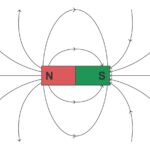
Pickering reed relays are highly reliable due to superior manufacturing and quality control processes. They feature instrumentation-grade sputtered ruthenium contacts, rather than the more common electroplated rhodium associated with low-grade reed relays. Along with Pickering SoftCenter technology to minimize internal stresses on the reed switch, this results in extended operational life and contact resistance stability. Formerless coil construction enables a smaller package than typical for this type of device, while magnetic Mu-Metal screening eliminates problems that would otherwise be experienced due to magnetic interaction when relays are closely stacked.


Leave a Reply